
Pure Water Choices
Effective Ozone Water System for Well Water
Chemical-free ozone technology to eliminate iron, manganese & sulfur from Colorado well water.
 170+ 5-Star Reviews
Contact Us for Your Free Estimate
Get a free in-home water test and personalized recommendation. No pressure, no obligation.
Looking for professional installation? See our full Well Water Treatment service →
About This System
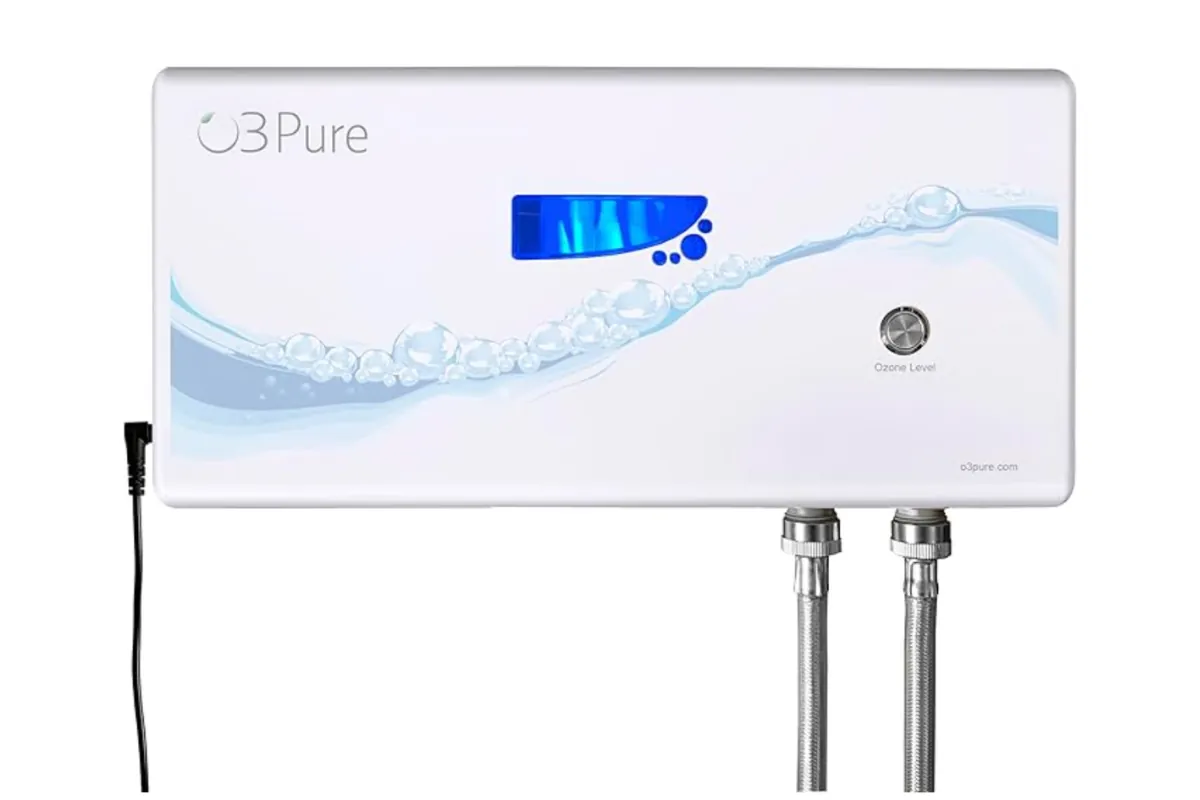
The AIO O3 (Air Injection Oxidizing with Ozone) system is one of the most advanced and effective iron removal systems available for Colorado well water. It uses a combination of air injection and ozone to oxidize iron, manganese, and hydrogen sulfide (rotten egg smell) — converting them to particles that can then be filtered out.
Unlike traditional iron filters that require chemical injection (chlorine or potassium permanganate), the AIO O3 uses only air and ozone — completely chemical-free treatment.
This system is ideal for well water in Colorado's rural areas including Castle Rock, Franktown, Elizabeth, and Douglas County where iron and sulfur are common challenges.
Key Features
- Ozone + air injection — completely chemical-free
- Removes iron up to 10+ PPM
- Eliminates hydrogen sulfide (rotten egg smell)
- Removes manganese effectively
- Automatic air injection during regeneration
- Self-cleaning backwash system
- No chemical feed equipment needed
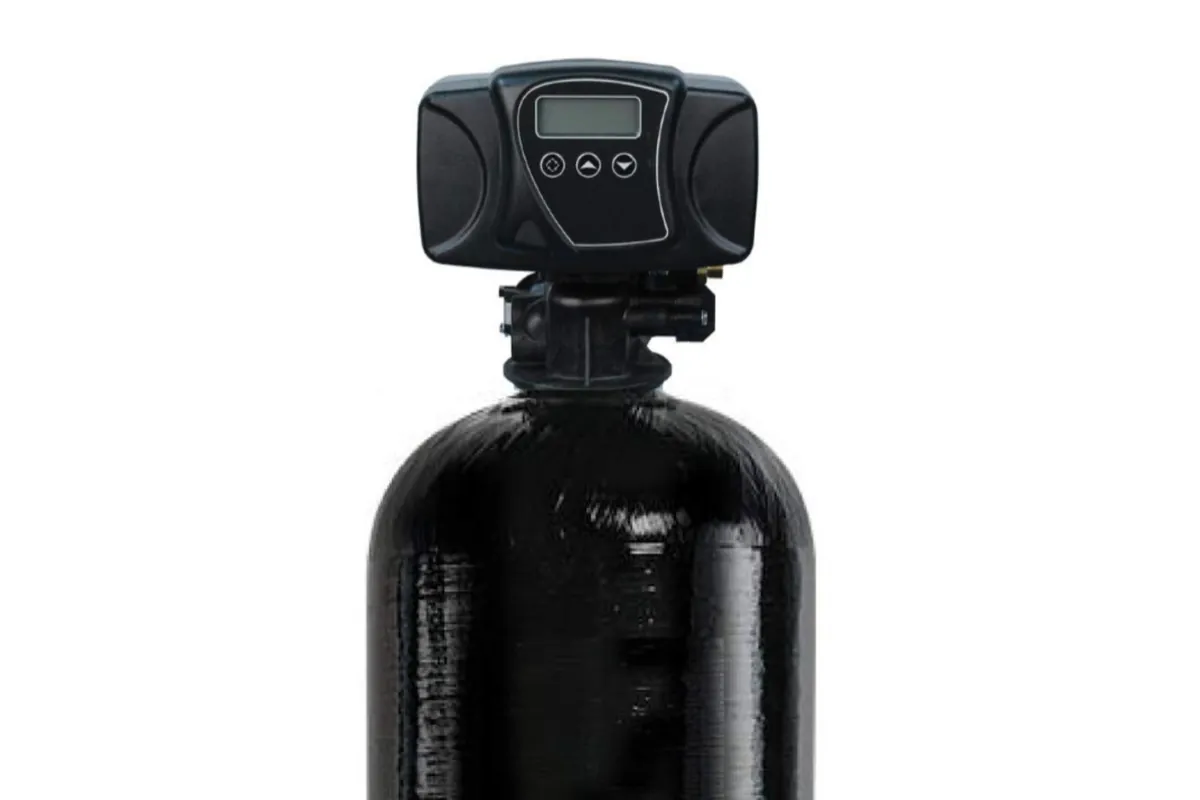
- Digital control valve with programmable backwash
- High-flow design — no pressure loss
- Ideal for well water with iron, sulfur & manganese
Specifications
Confirm the water chemistry before selecting oxidation
Oxidation and filtration may be considered for particular iron, manganese, or odor conditions, but laboratory results should establish the problem first. Identify the exact unit, media, controls, and manufacturer’s permitted operating range. Water chemistry and peak demand help determine whether the proposed configuration is appropriate.
What this treatment does not replace
An iron-removal or oxidation system is not automatically validated as a complete drinking-water disinfection process. Microbial concerns, acidity, hardness, and dissolved chemicals must be considered separately. Follow health-department advice and appropriate testing when well-water safety is uncertain.
Prepare for an equipment assessment
Backwashing equipment requires suitable drainage and adequate water flow. Review the pressure-tank arrangement, available space, power requirements, and access for maintenance. Ask how any oxidant is controlled and which manufacturer-specific installation and safety provisions apply.
Understand ongoing maintenance
The maintenance plan should cover media condition, backwash operation, controls, and any ozone-generation components in the installed model. Request written instructions rather than relying on a blanket description such as maintenance-free. Performance checks should target the original measured concern.
Questions to ask before choosing this equipment
- Which laboratory results justify this treatment stage?
- What water chemistry and flow limits apply to this configuration?
- Can the well and drain arrangement support required backwashing?
- How will iron or other target substances be checked after treatment?
Compare this equipment with the broader water treatment options, or contact Pure Water Choices to discuss your water results and site requirements.
General treatment guidance: CDC: choosing home water filters and CDC: home water treatment systems. These sources explain treatment principles; they do not certify the specific products shown here.
170+ Five-Star Reviews
5.0 Average Rating · Google, Yelp & Nextdoor



WQA Member
Water Quality Association certified professionals
Platinum Seal
Highest WQA product certification standard
IAPMO Certified
International plumbing code compliance certified

Ready for Better Water?
Get a free in-home water test and estimate. Serving Castle Rock, Parker, Highlands Ranch & the Denver Metro.