
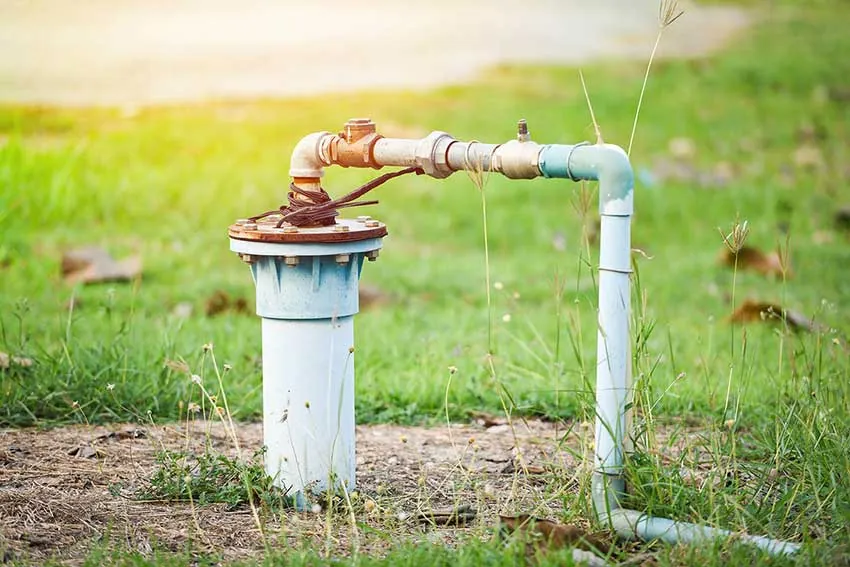
Private Well Water Treatment
Well Water Filtration System
Colorado well water experts. We test, design, and install comprehensive well water treatment systems to remove iron, sulfur, bacteria, hardness, and other contaminants.
Colorado Well Water Challenges
Private well water in Colorado often contains high levels of iron, manganese, sulfur (rotten egg smell), hardness, and sometimes bacteria. Without proper treatment, these contaminants stain fixtures, damage appliances, and pose potential health risks.
Pure Water Choices specializes in rural and suburban well water systems. We start with a comprehensive water test to identify exactly what's in your water, then design a custom multi-stage treatment system to address every issue.
- Iron & manganese removal
- Hydrogen sulfide (rotten egg smell) elimination
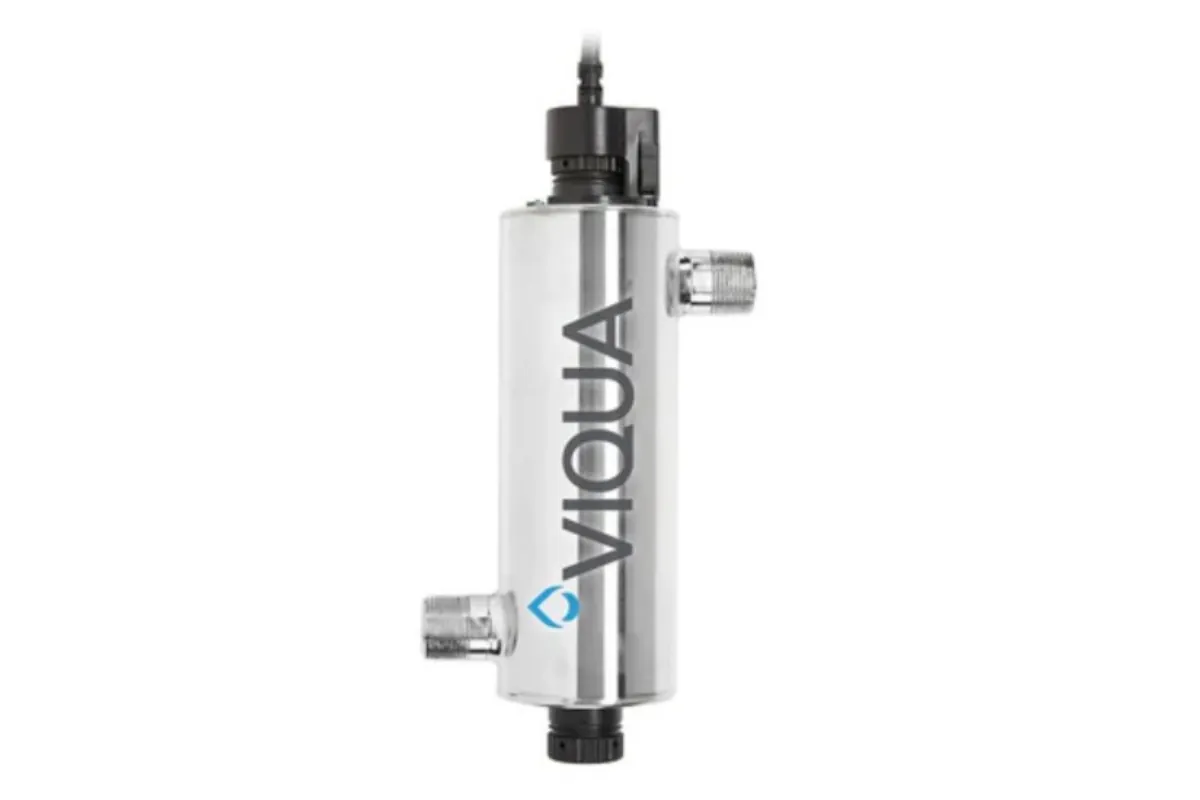
- Bacteria & pathogen disinfection with UV light
- Hard water softening
- pH correction & neutralization
- Sediment filtration
Well Water Treatment Systems
Engineered for Colorado's toughest well water conditions.
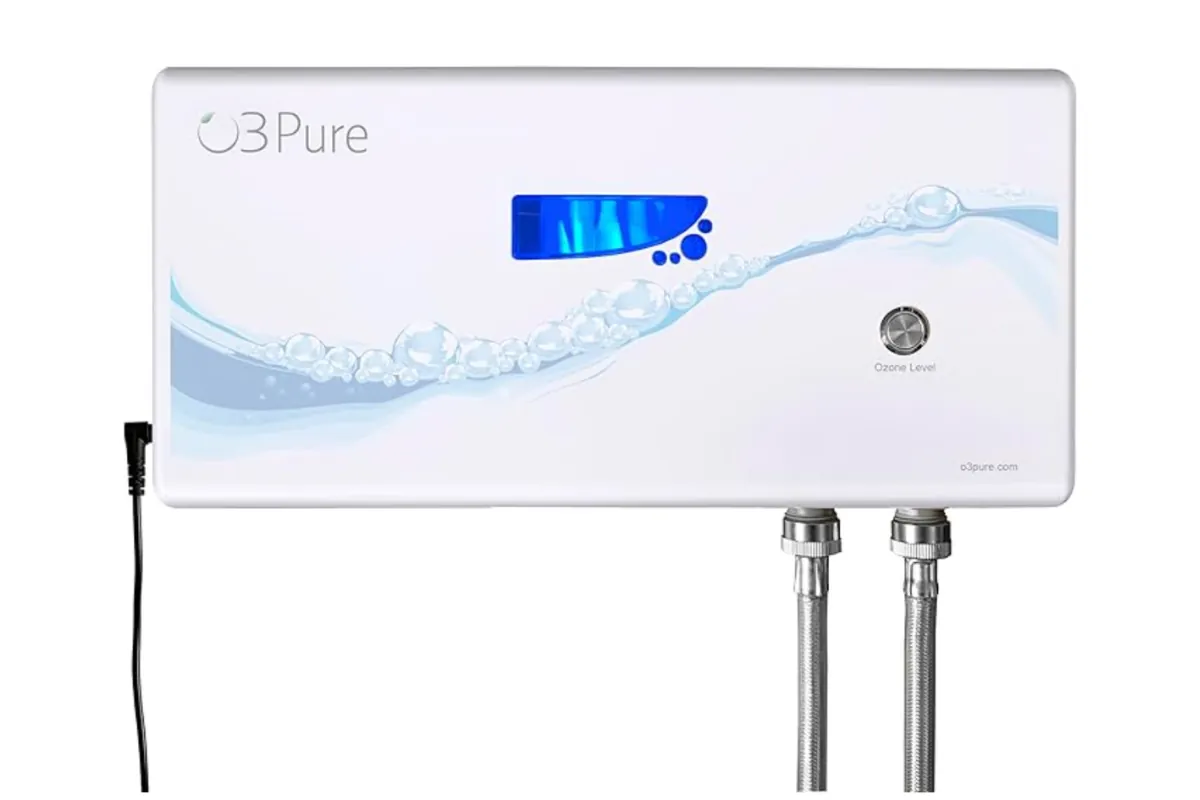
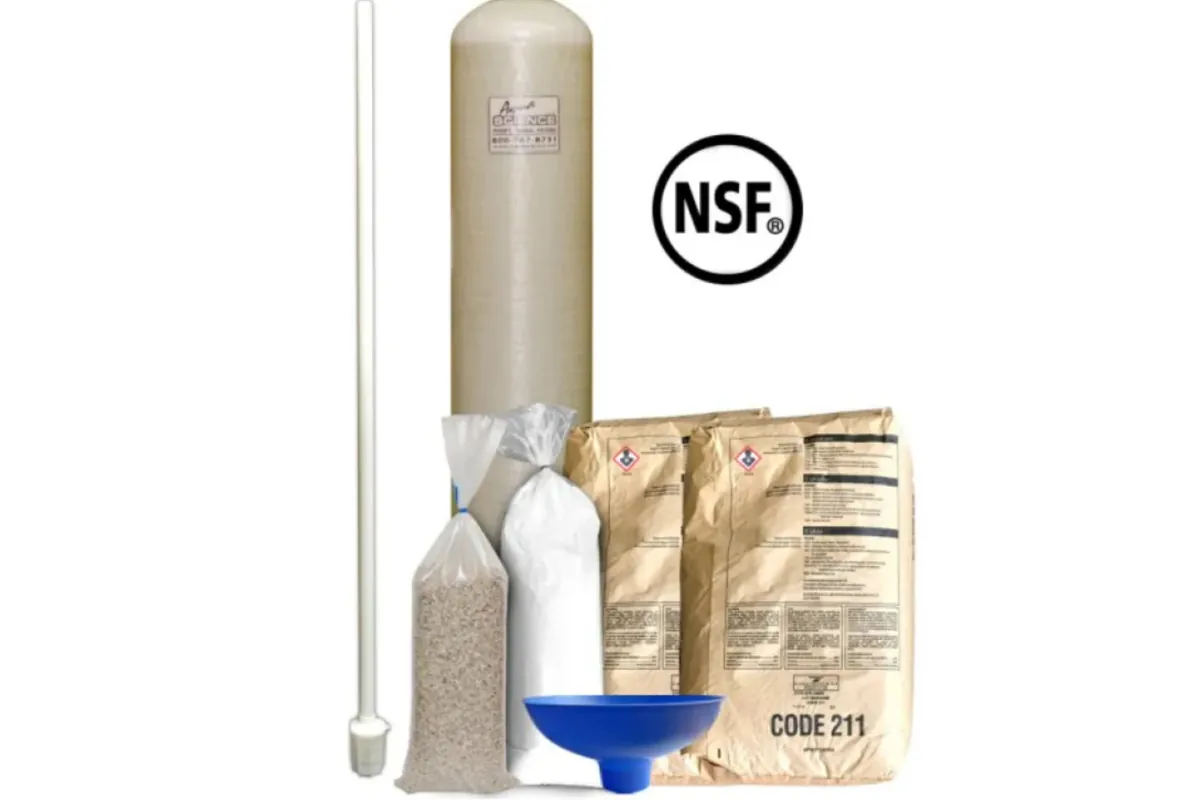
Build a well-water treatment plan from laboratory results
Private-well treatment starts with the actual well, laboratory results, and the household’s needs. A stain, odor, or clear appearance is not a complete diagnosis. CDC recommends testing private-well water at least annually for harmful germs and chemicals, with additional testing when conditions change. Ask a health department or qualified laboratory which local tests are appropriate.
What this treatment does not replace
Iron removal, softening, pH adjustment, and disinfection address different problems. No single system name establishes that water is safe to drink. Ultraviolet treatment does not remove dissolved chemicals; its performance depends on the selected equipment, water clarity, pretreatment, flow, power, and maintenance. A positive bacteria result also calls for investigation of the well and plumbing, not only adding a treatment unit.
Prepare for an equipment assessment
Bring the complete dated laboratory report, well or pump information if available, and photos of the pressure tank and treatment area. Note changes after heavy rain, repairs, flooding, or long periods without use. Provide information about household demand, available drainage, and any existing treatment. Do not open electrical equipment or attempt well-entry work to gather those details.
Compare scope and ongoing costs
A well-water quote should explain why each treatment stage is proposed and the order of those stages. Equipment, media, lamp or cartridge replacements, plumbing, drainage, electrical work, and follow-up laboratory testing are separate considerations. Follow health-department advice if water is suspected to be unsafe; do not wait for a sales appointment or rely on taste to decide whether to drink it.
Start with our overview of water treatment services. For more background, read the private-well water guide. For a verified dissolved-substance concern at a drinking-water outlet, a broader well-water plan may also consider point-of-use reverse osmosis.
General treatment guidance: CDC: choosing home water filters and CDC: home water treatment systems. These sources explain treatment principles; they do not certify the specific products shown here.
Discuss your water results and installation questions at your free estimate. Free Estimates.
Frequently Asked Questions
How often should I test my private well water in Douglas County?
CDC recommends at least annual testing for harmful germs and chemicals, and considering additional testing after changes in color, taste, smell, or relevant well conditions. Ask your local health department which tests are appropriate for your Douglas County well and which certified laboratory to use.
Can I choose treatment from staining or odor alone?
No. Staining and odor can help identify questions, but laboratory results and site conditions are needed to distinguish iron, manganese, acidity, hardness, bacteria, and other possible problems.
Will an iron filter also remove bacteria?
Do not assume it will. Iron treatment and microbial disinfection are different functions. Check the exact equipment’s verified claims and use appropriate laboratory testing to evaluate safety.
What are the limits of UV disinfection?
UV is used for microbial treatment, not dissolved-chemical removal. Correct sizing, suitable water clarity and pretreatment, uninterrupted power, and maintenance are necessary. Follow the selected manufacturer’s requirements.
What should I do if testing shows unsafe water?
Follow the laboratory or local health department’s directions about alternate drinking water, further testing, and corrective work. Do not assume adding a filter or disinfection unit resolves the cause without verification.
Well Water Treatment Cost in Colorado
$1,500 – $4,500 installed
Well water treatment costs vary widely based on water test results and how many stages are needed. A simple iron filter runs lower; comprehensive systems with UV, softener, and RO run higher. We always test first and quote accurately.
Free EstimatesPricing & Installation Questions
Service Areas in Colorado
Pure Water Choices provides professional well water treatment throughout the Denver Metro area and surrounding communities. Locally based in Castle Rock — no long travel windows, no franchise delays.
Well Water Treatment
Castle Rock, CO
Well Water Treatment
Parker, CO
Well Water Treatment
Highlands Ranch, CO
Well Water Treatment
Lone Tree, CO
Well Water Treatment
Centennial, CO
Well Water Treatment
Aurora, CO
Well Water Treatment
Denver, CO
Well Water Treatment
Franktown, CO
Well Water Treatment
Elizabeth, CO
Well Water Treatment
Monument, CO
Well Water Treatment
Larkspur, CO
Well Water Treatment
Sedalia, CO
170+ Five-Star Reviews
5.0 Average Rating · Google, Yelp & Nextdoor


WQA Member
Water Quality Association certified professionals
Platinum Seal
Highest WQA product certification standard
IAPMO Certified
International plumbing code compliance certified
Related Services
Pure Water Choices handles every aspect of home water treatment — from source to tap.
Whole House Water Filtration
Remove chlorine, sediment & contaminants from every tap in your home.
Learn more →Water Softener Systems
Eliminate Colorado's hard water — protect appliances and feel the difference.
Learn more →Reverse Osmosis
Ultra-pure drinking water at your tap — removes 99%+ of contaminants.
Learn more →What Our Customers Say
5.0 Stars · 170+ Reviews on Google

Ready for Better Water?
Get a free in-home water test and estimate. Serving Castle Rock, Parker, Highlands Ranch & the Denver Metro.