
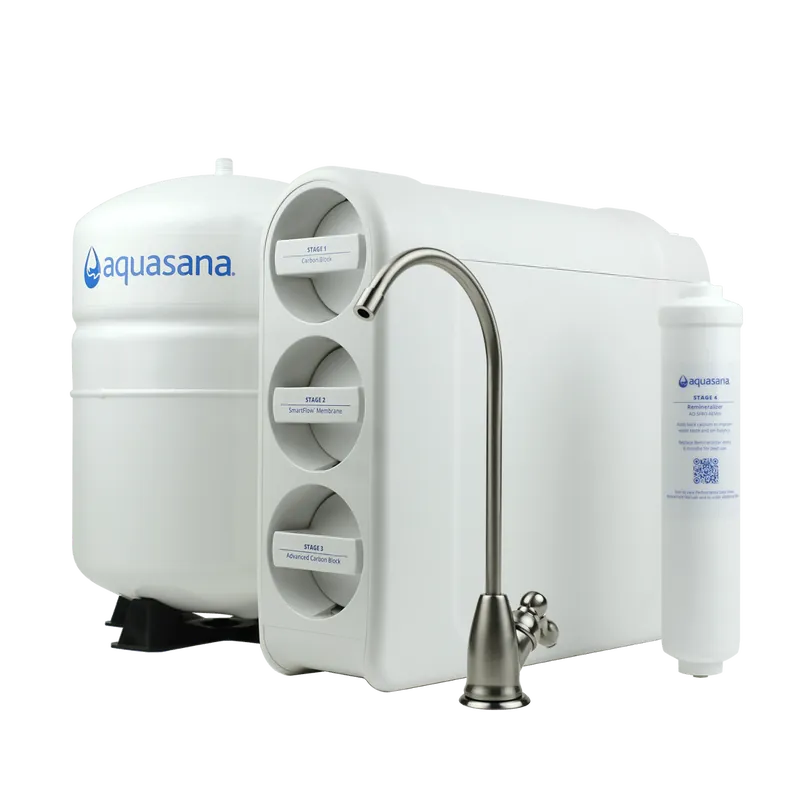
Ultra-Pure Drinking Water
Reverse Osmosis Water Filter System
Experience the purest drinking water possible. Our reverse osmosis systems remove up to 99% of dissolved contaminants, giving you bottled-water quality right from your tap.
Why Choose Reverse Osmosis?
Reverse osmosis is the gold standard for point-of-use drinking water purification. Using a semi-permeable membrane, RO systems remove virtually all dissolved solids, including lead, arsenic, fluoride, nitrates, pharmaceuticals, and more.
- Removes up to 99% of dissolved contaminants
- Better than bottled water — at a fraction of the cost
- Removes lead, arsenic, fluoride, nitrates & more
- Improves taste and odor dramatically
- Under-sink installation — no countertop clutter
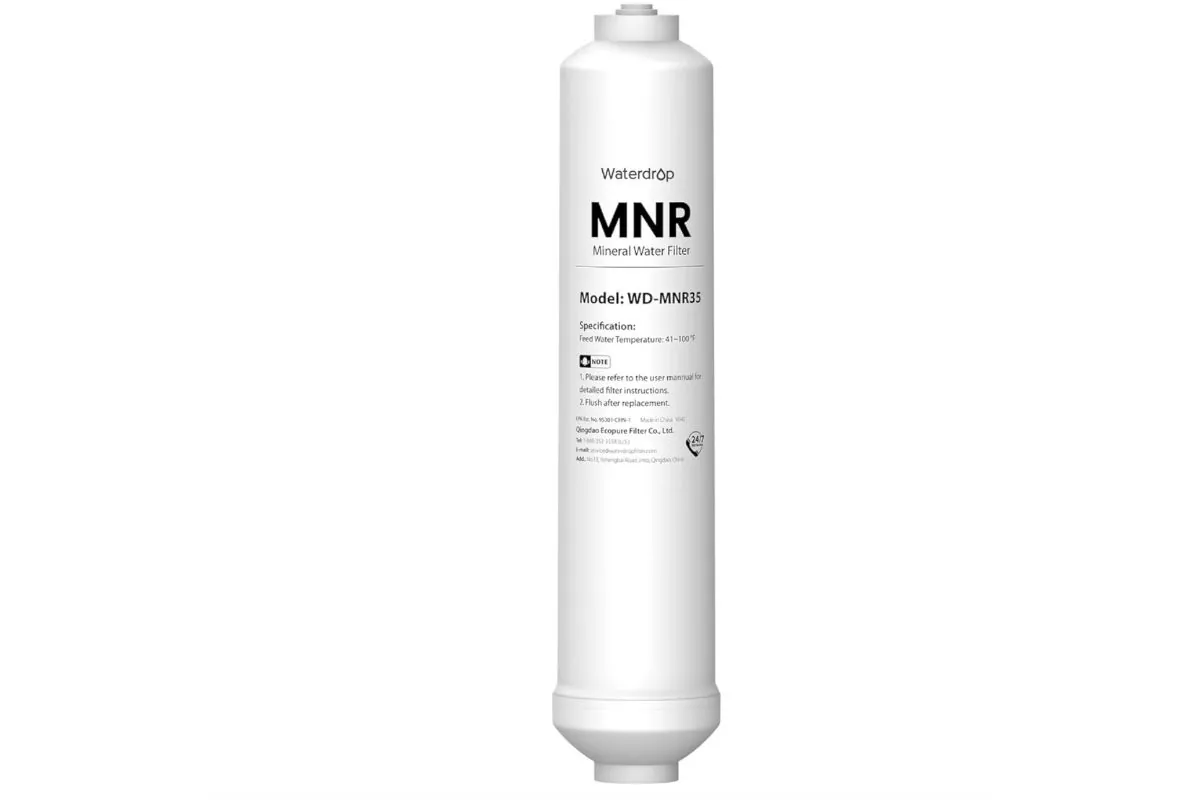
- Optional remineralization filter available
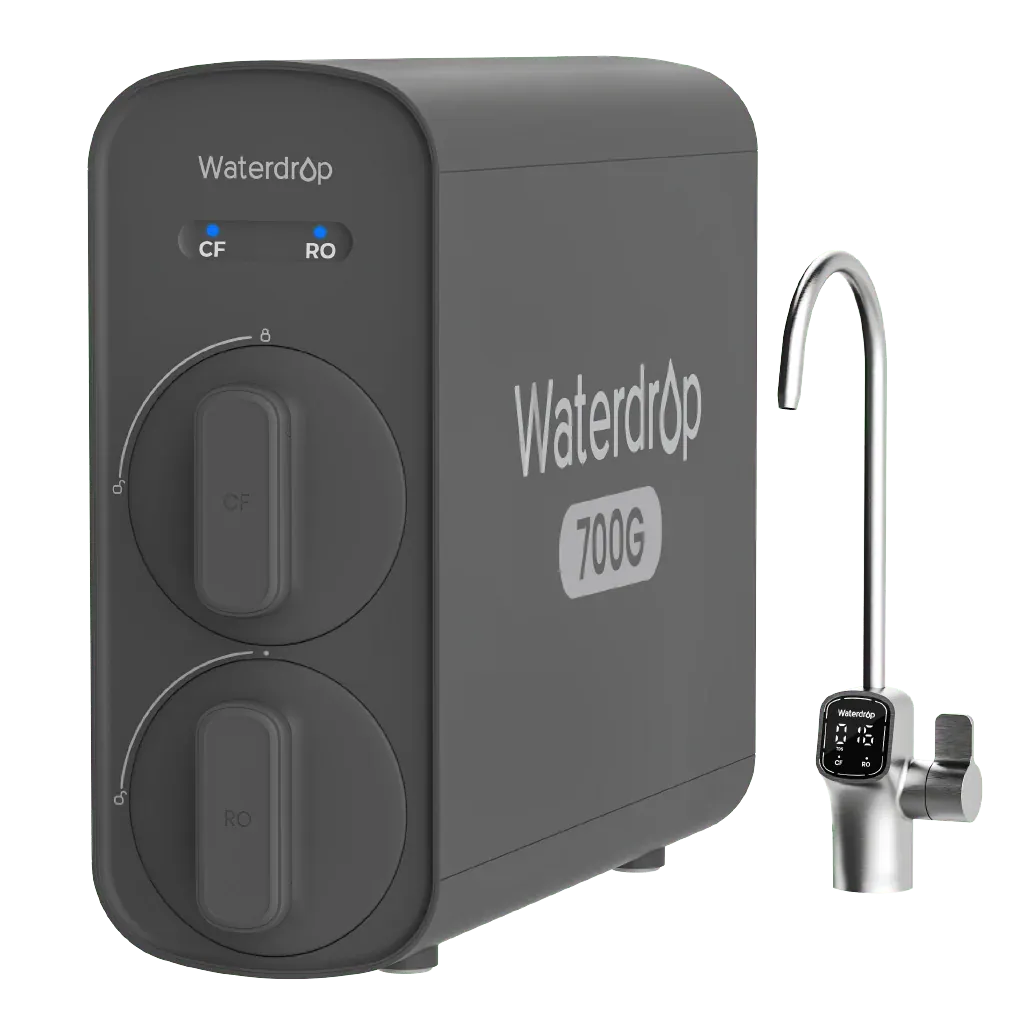
Our RO Systems
Choose from our selection of top-rated reverse osmosis systems.
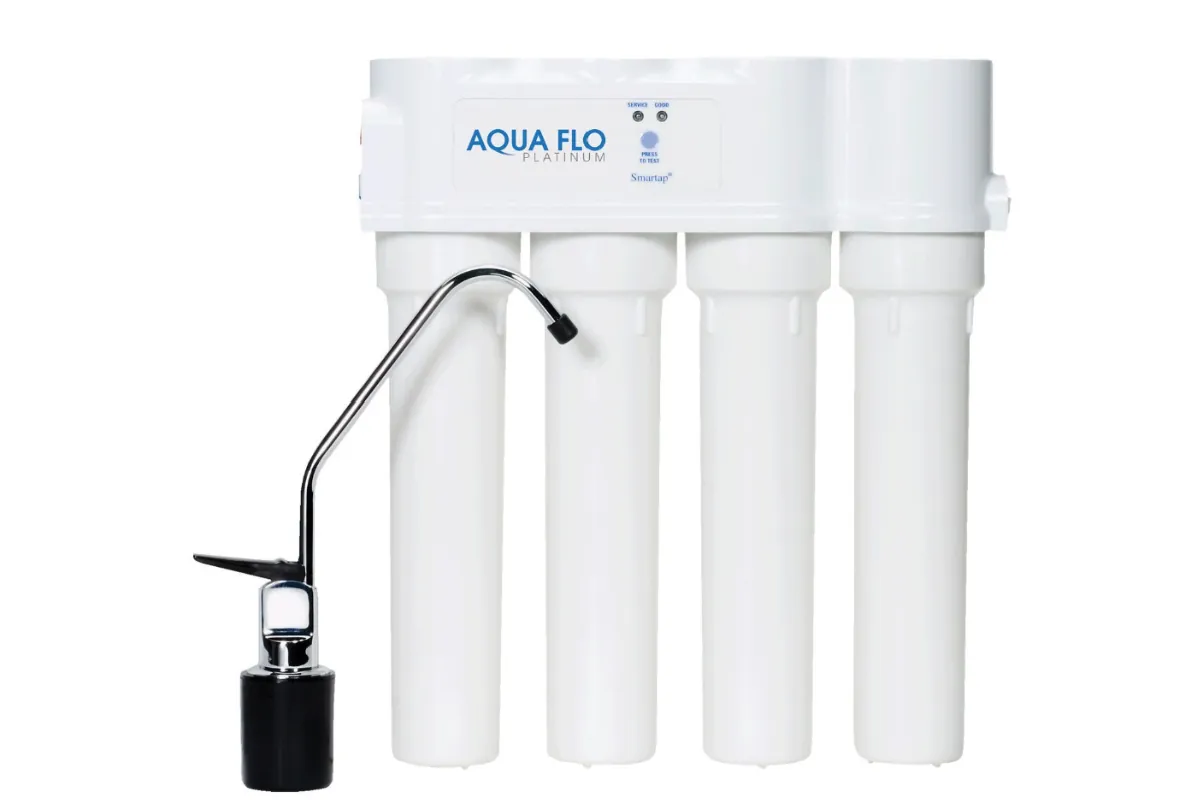
Plan drinking-water treatment at the point of use
Reverse osmosis is a point-of-use option when a specific dissolved-substance concern or drinking-water preference justifies it. Select the exact system using its certified reduction claims and your water results. A basic dissolved-solids meter cannot identify every contaminant and is not a complete safety test. Tank and tankless designs differ in layout, delivery, and maintenance.
What this treatment does not replace
A kitchen RO system treats its connected outlet, not all showers or appliances. Rejection percentages depend on the substance, membrane, supply conditions, and system condition; a broad “99% of everything” claim is not a substitute for certification. RO also creates a concentrate stream, so compare published recovery information instead of assuming a tankless unit creates no wastewater.
Prepare for an equipment assessment
Measure cabinet clearance and note the cold-water connection, approved drain connection, and faucet location. Some systems need electrical power. If a new faucet hole is needed, identify the countertop material and obtain permission before drilling. Refrigerator or ice-maker connections require compatibility checks, including tubing distance, pressure, and the appliance manufacturer’s instructions.
Compare scope and ongoing costs
An assessment should distinguish the equipment from faucet work, plumbing connections, optional accessories, and replacement filters or membranes. Discuss storage capacity or delivery rate, filter availability, sanitation instructions, and how the system’s performance will be assessed. Remineralization changes mineral content or taste; it is not proof of contaminant removal or a medical benefit.
Start with our overview of water treatment services. For more background, read reverse osmosis versus pitcher filters. For a concern affecting several fixtures rather than one drinking-water outlet, compare whole-house filtration.
General treatment guidance: CDC: choosing home water filters and CDC: home water treatment systems. These sources explain treatment principles; they do not certify the specific products shown here.
Discuss your water results and installation questions at your free estimate. Free Estimates.
Frequently Asked Questions
Do I need reverse osmosis for drinking water in Castle Rock?
The decision depends on your drinking-water preferences and any specific concern shown by your water provider’s report or laboratory results. RO can reduce several dissolved substances, but performance is model- and contaminant-specific. Check the selected system’s certified claims against your water results instead of assuming every home needs RO or that it removes everything.
Where can an RO system be installed?
An under-sink installation needs suitable supply and drain connections, space for the equipment, and a drinking-water outlet. Electrical requirements and faucet-hole work depend on the selected model and site.
Does a tankless RO system produce no wastewater?
Tankless describes storage, not the absence of a concentrate stream. Compare the specific manufacturer’s recovery or treated-to-drain ratio and the conditions used to measure it.
Can RO replace a whole-house filter?
Not for whole-home coverage. A point-of-use RO system treats its connected drinking-water outlet, while point-of-entry filtration treats water before it reaches multiple fixtures.
How often should the filters and membrane be changed?
Use the selected model’s instructions, water conditions, and usage. Replacement and sanitation requirements differ; there is no universal interval for every RO system.
Reverse Osmosis System Cost in Colorado
$800 – $1,800 installed
Price depends on system type (tankless vs. traditional), number of stages, and whether a remineralization filter is added. Includes under-sink installation and a dedicated RO faucet.
Free EstimatesPricing & Installation Questions
Service Areas in Colorado
Pure Water Choices provides professional reverse osmosis installation throughout the Denver Metro area and surrounding communities. Locally based in Castle Rock — no long travel windows, no franchise delays.
Reverse Osmosis Installation
Castle Rock, CO
Reverse Osmosis Installation
Parker, CO
Reverse Osmosis Installation
Highlands Ranch, CO
Reverse Osmosis Installation
Lone Tree, CO
Reverse Osmosis Installation
Centennial, CO
Reverse Osmosis Installation
Aurora, CO
Reverse Osmosis Installation
Denver, CO
Reverse Osmosis Installation
Franktown, CO
Reverse Osmosis Installation
Elizabeth, CO
Reverse Osmosis Installation
Monument, CO
Reverse Osmosis Installation
Larkspur, CO
Reverse Osmosis Installation
Sedalia, CO
170+ Five-Star Reviews
5.0 Average Rating · Google, Yelp & Nextdoor


WQA Member
Water Quality Association certified professionals
Platinum Seal
Highest WQA product certification standard
IAPMO Certified
International plumbing code compliance certified
Related Services
Pure Water Choices handles every aspect of home water treatment — from source to tap.
Whole House Water Filtration
Remove chlorine, sediment & contaminants from every tap in your home.
Learn more →Water Softener Systems
Eliminate Colorado's hard water — protect appliances and feel the difference.
Learn more →Well Water Treatment
Custom multi-stage systems for iron, sulfur, bacteria & hardness.
Learn more →What Our Customers Say
5.0 Stars · 170+ Reviews on Google

Ready for Better Water?
Get a free in-home water test and estimate. Serving Castle Rock, Parker, Highlands Ranch & the Denver Metro.