
Pure Water Choices
Whole Home PH Balancing System
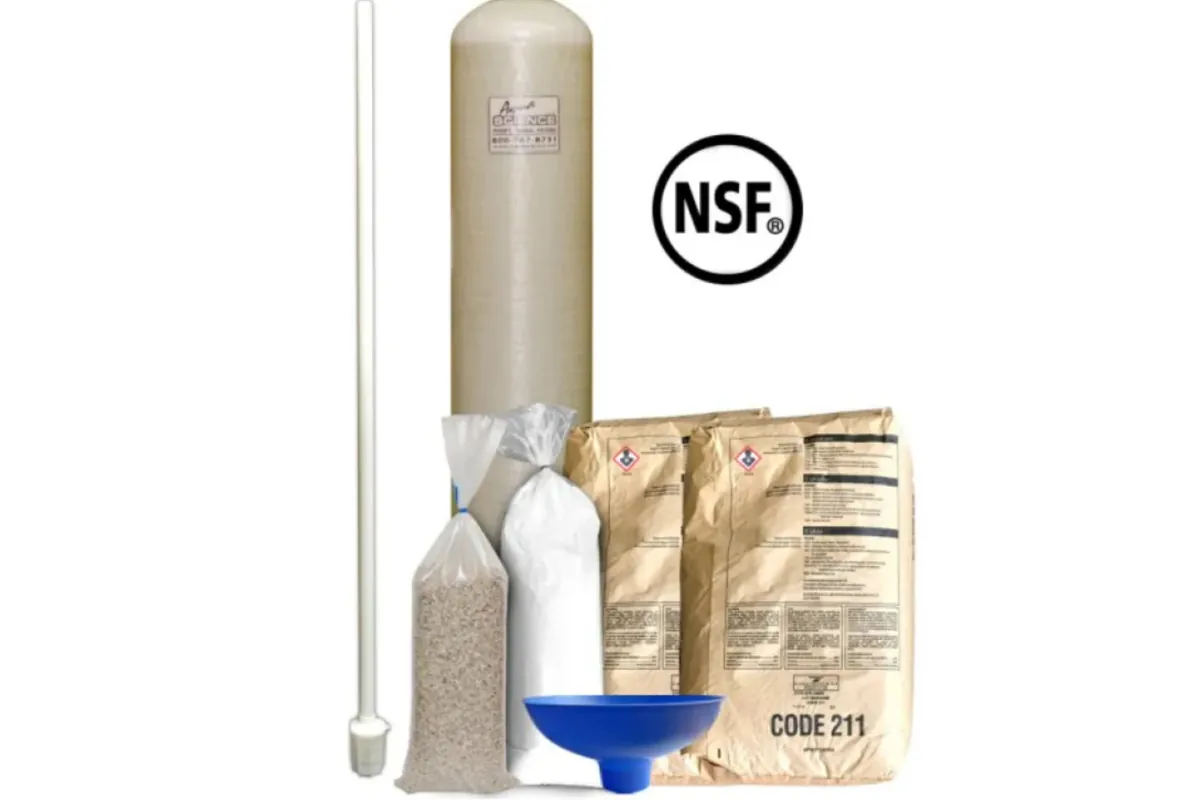
Protect your plumbing from acidic well water with natural calcite neutralization.
 170+ 5-Star Reviews
Contact Us for Your Free Estimate
Get a free in-home water test and personalized recommendation. No pressure, no obligation.
Looking for professional installation? See our full Well Water Treatment service →
About This System
Acidic well water (pH below 7.0) is a serious problem for Colorado homeowners. Low pH water is corrosive — it eats away at copper pipes and brass fittings, leaving blue-green stains on sinks and tubs, pinhole leaks in pipes, and eventually costly plumbing repairs.
The pH Neutralizer uses calcite (calcium carbonate) media to naturally raise the pH of your water back to a safe, neutral range without adding chemicals. As acidic water passes through the calcite media bed, it slowly dissolves the calcite and raises pH.
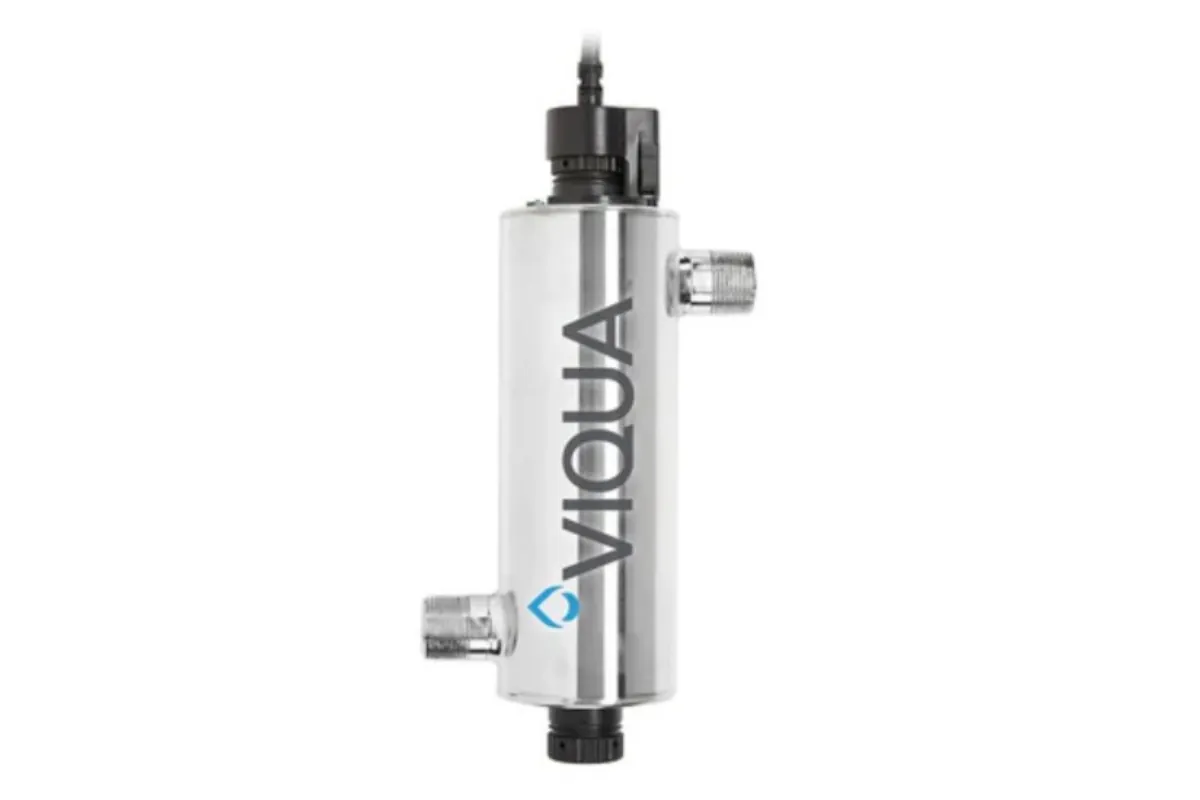
This system is essential for Colorado well water homeowners with pH below 7.0, and is often installed as part of a comprehensive well water treatment system alongside iron filtration and UV disinfection.
Key Features
- Raises pH naturally using calcite media
- No chemical addition — safe and natural
- Prevents corrosion of copper pipes and fixtures
- Eliminates blue-green staining from acidic water
- Automatic backwash to prevent media compaction
- Self-replenishing — add calcite as needed
- Can be combined with corosex for faster pH rise
- Low maintenance — typically once-yearly calcite addition
- Compatible with all other filtration systems
- Ideal for acidic well water (pH 5.5–6.9)
Specifications
Assess acidic water and the effect of mineral treatment
Start with measured pH and relevant laboratory chemistry before selecting neutralization media. Blue-green staining can prompt investigation, but does not identify every corrosion cause by itself. Ask which media blend and contact time are appropriate and what treated-water target is proposed for the actual supply.
What this treatment does not replace
Mineral neutralization can increase hardness, which may affect the wider treatment plan. It is not a general disinfection process and does not guarantee that every corrosion problem is resolved. Follow-up testing is needed to assess the target condition and any remaining plumbing concerns.
Prepare for an equipment assessment
Review tank space, bypass access, the water flow available for any required backwashing, and a suitable drain arrangement. Consider how this stage fits with existing iron treatment or softening. Treatment order should follow the water chemistry and equipment instructions rather than a universal diagram.
Understand ongoing maintenance
Calcite can dissolve during treatment and therefore needs monitoring and replenishment. The refill interval depends on incoming water, use, and media volume. Ask for instructions on checking media level, treated pH, and the condition of the backwash valve if the installed design includes one.
Questions to ask before choosing this equipment
- Which laboratory results support the proposed media choice?
- How could mineral neutralization change hardness?
- What drainage and backwash flow does this design require?
- Which pH and maintenance checks should be recorded after installation?
Compare this equipment with the broader water treatment options, or contact Pure Water Choices to discuss your water results and site requirements.
General treatment guidance: CDC: choosing home water filters and CDC: home water treatment systems. These sources explain treatment principles; they do not certify the specific products shown here.
170+ Five-Star Reviews
5.0 Average Rating · Google, Yelp & Nextdoor




WQA Member
Water Quality Association certified professionals
Platinum Seal
Highest WQA product certification standard

IAPMO Certified
International plumbing code compliance certified

Ready for Better Water?
Get a free in-home water test and estimate. Serving Castle Rock, Parker, Highlands Ranch & the Denver Metro.